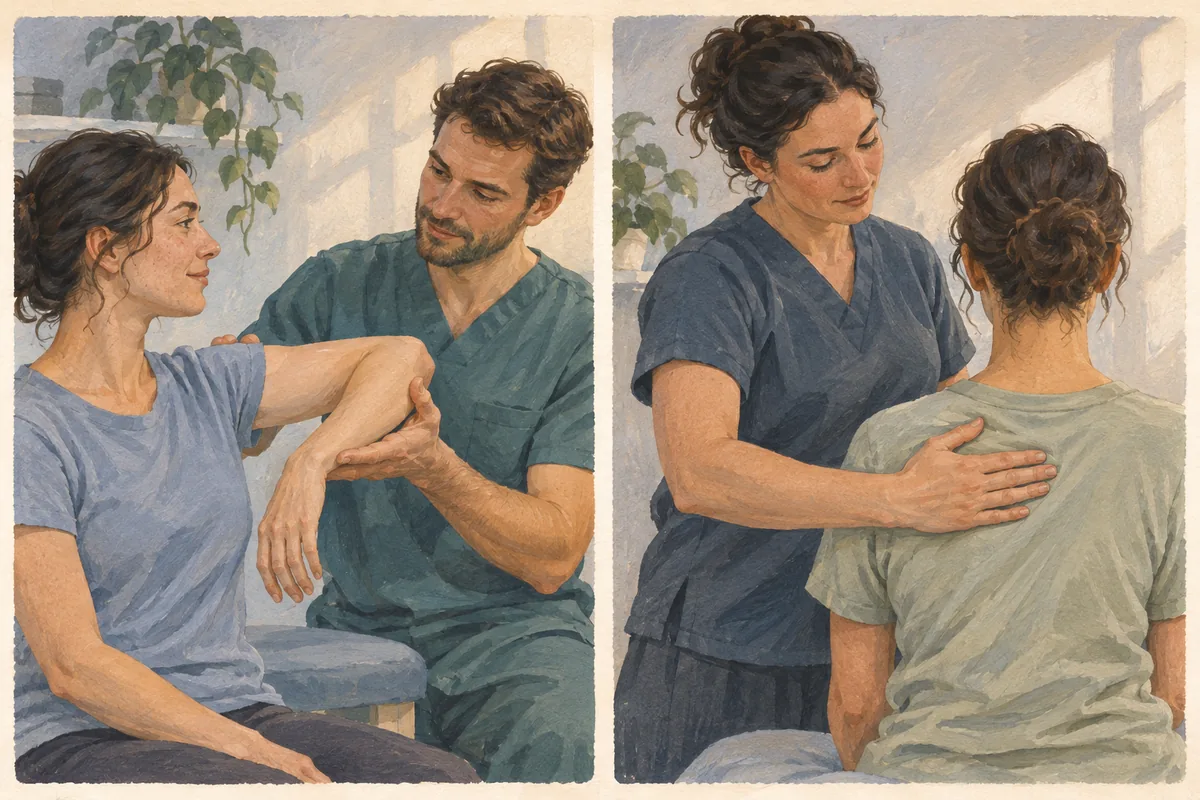
If you are looking for hands-on care in Midtown Toronto, you may be deciding between osteopathic manual therapy and registered massage therapy. The most helpful starting point is your concern, your preferences and an individual assessment—not a promise that one service is always better.
What does registered massage therapy involve?
Registered Massage Therapists assess and treat the body’s soft tissues and joints. Care can include hands-on techniques, movement or exercise guidance, and patient education, depending on the assessment and treatment plan.
In Ontario, the titles Registered Massage Therapist and Massage Therapist are protected and require registration with the College of Massage Therapists of Ontario (CMTO). You can read the CMTO’s explanation of the profession and its guide to what to expect as a patient.
What does osteopathic manual therapy involve?
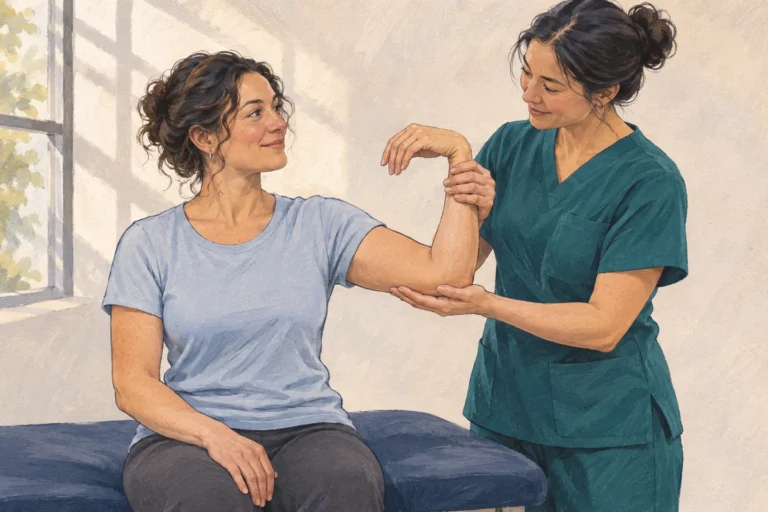
At Integrated Bodywork, osteopathic manual therapy uses hands-on assessment and techniques selected for the individual. Your practitioner considers your health history, movement, comfort and goals when discussing care options. Our osteopathy service page introduces the approach and practitioners.
There can be overlap in the concerns people bring to either service, including back or neck discomfort, muscle tension and stiffness. A symptom alone does not tell us which appointment will suit you, and an assessment may indicate that a different kind of care is appropriate.
Four questions to help you choose
1. What would I like help with?
Think about the activity or experience that matters to you: feeling more comfortable at your desk, moving more easily, or discussing a recurring area of discomfort. A clear goal helps your practitioner understand what you want from care.
2. What kind of appointment feels comfortable?
Ask about assessment, clothing, positioning and the techniques that might be considered. Your comfort matters. You can request explanations and discuss changes before treatment proceeds.
3. How will we review progress?
Ask how you and your practitioner will assess whether the plan is useful, when to review it, and what other options may be worth considering. Results and the number of appointments vary between people.
4. Which service am I actually booking?
Osteopathy and registered massage therapy are separate appointment categories in our booking system. Choose the service you intend to receive. If insurance benefits matter to your decision, confirm your plan’s requirements for that specific service and practitioner before booking; coverage should not be assumed.
Exploring your options at Yonge & Eglinton
Integrated Bodywork is located at 55 Eglinton Avenue East, Suite 700, Toronto. You can explore registered massage therapy, read about osteopathic manual therapy, and learn about the practitioners before making a choice.
If you are unsure where to begin, contact us to discuss your questions. When you are ready, view the available appointment options through Jane.