
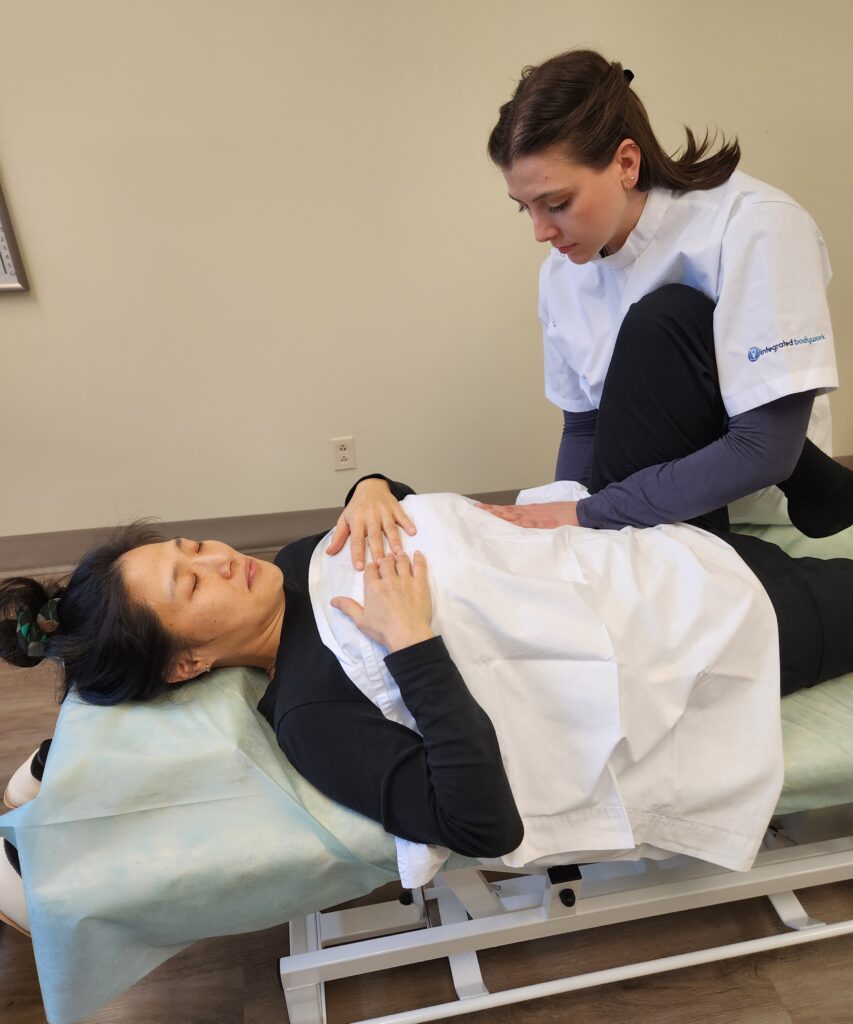
What to Expect After Your Kinesiology Session
After your kinesiology session, you may notice a variety of physical or emotional shifts as your body begins to process the corrections made during treatment. This is completely normal and part of the natural rebalancing process.
Common experiences include:
Mild fatigue or a sense of calm. Your body may feel like it’s unwinding, so it’s normal to feel more relaxed or a bit tired for the rest of the day.
Heightened awareness of thoughts or emotions. Kinesiology often works with both physical and energetic patterns, so you might notice emotional clarity—or temporary emotional release—as your system integrates the work.
Subtle physical sensations. Some people feel lighter, more aligned, or more grounded, while others notice temporary stiffness or sensitivity as muscles and energy pathways adjust.
Changes in sleep or appetite. Your body may seek additional rest or hydration. Sleep may feel deeper, or you might notice more vivid dreams.
DOMS (Delayed Onset Muscle Soreness). It’s possible to feel mild to moderate muscle soreness 24–48 hours after your session. This occurs when muscles that were previously underactive or compensating begin to re-engage. The soreness is a healthy sign that your system is rebalancing and usually settles quickly. Gentle movement, hydration, and warm baths can help ease discomfort.
How to support your body after the session:
Drink plenty of water to help your system process the energetic and physical shifts.
Give yourself time to rest or unwind, avoiding strenuous activity for the remainder of the day if possible.
Pay attention to any insights, emotional shifts, or changes in how your body feels—these can be helpful for your next session.
Be gentle with yourself. Integration can continue for 24–48 hours.
If anything feels unusual or if you have questions after your session, feel free to get in touch for guidance. Your body’s response is unique, and we’re here to support you through your healing process.
 Remember: mild reactions are a normal part of your body’s healing and adjustment. Most people feel the benefits—such as reduced tension, greater mobility, and improved wellbeing—within a short time.
What Kinesiology Can Help With
Kinesiology is a gentle, holistic therapy that uses muscle testing to identify imbalances in the body’s physical, emotional, and energetic systems. Many people seek kinesiology to improve how they feel, move, and respond to stress.
Here are some of the common areas kinesiology is known to support:
 Stress, Mood & Emotional Balance
 Stress, Mood & Emotional Balance
General stress and tension
Feeling overwhelmed or “stuck”
Emotional imbalance or low resilience
Sleep disturbances linked to stress
Support during life changes, burnout, or high-pressure periods
Kinesiology is often used to help calm the nervous system and improve emotional clarity.
Energy Levels & Fatigue Patterns
Low energy or fluctuating energy levels
Feeling drained despite rest
Difficulty focusing or mental fatigue
Many people report improved vitality and clearer energy after kinesiology sessions.
Movement, Coordination & Muscle Function
Muscle tightness or weakness patterns
Coordination issues or imbalance
Overactive or underactive muscle groups
Posture patterns affected by stress or habit
Kinesiology may help identify which muscles need support to work more efficiently.
Pain & Physical Discomfort (Functional Support)
(Kinesiology does not diagnose or treat medical conditions, but it can help with functional patterns related to discomfort.)
General aches linked to posture or stress
Tension in the neck, shoulders, back, or hips
Movement discomfort from poor muscle activation
Recurring tightness that doesn’t resolve on its own
Digestive & Hormonal Stress Responses
Digestive discomfort linked to stress
Sensitivity to certain foods (awareness—not diagnosis)
Hormonal balance affected by fatigue or tension
Patterns of bloating, sluggish digestion, or stress-related gut symptoms
Kinesiology often helps the body respond more calmly to stress-related physiological patterns
Learning, Focus & Cognitive Support
Concentration challenges
Study fatigue
Learning-related stress
Brain–body coordination patterns
Kinesiology techniques are sometimes used to support clearer thinking and improved processing
General Wellbeing & Preventative Care
Supporting resilience
Deepening mind–body awareness
Feeling more balanced or grounded
Maintaining good health and emotional wellbeing
Many people use kinesiology as an ongoing tool for self-awareness and whole-body balance.